Home / Case Studies / The Invisible Wounds

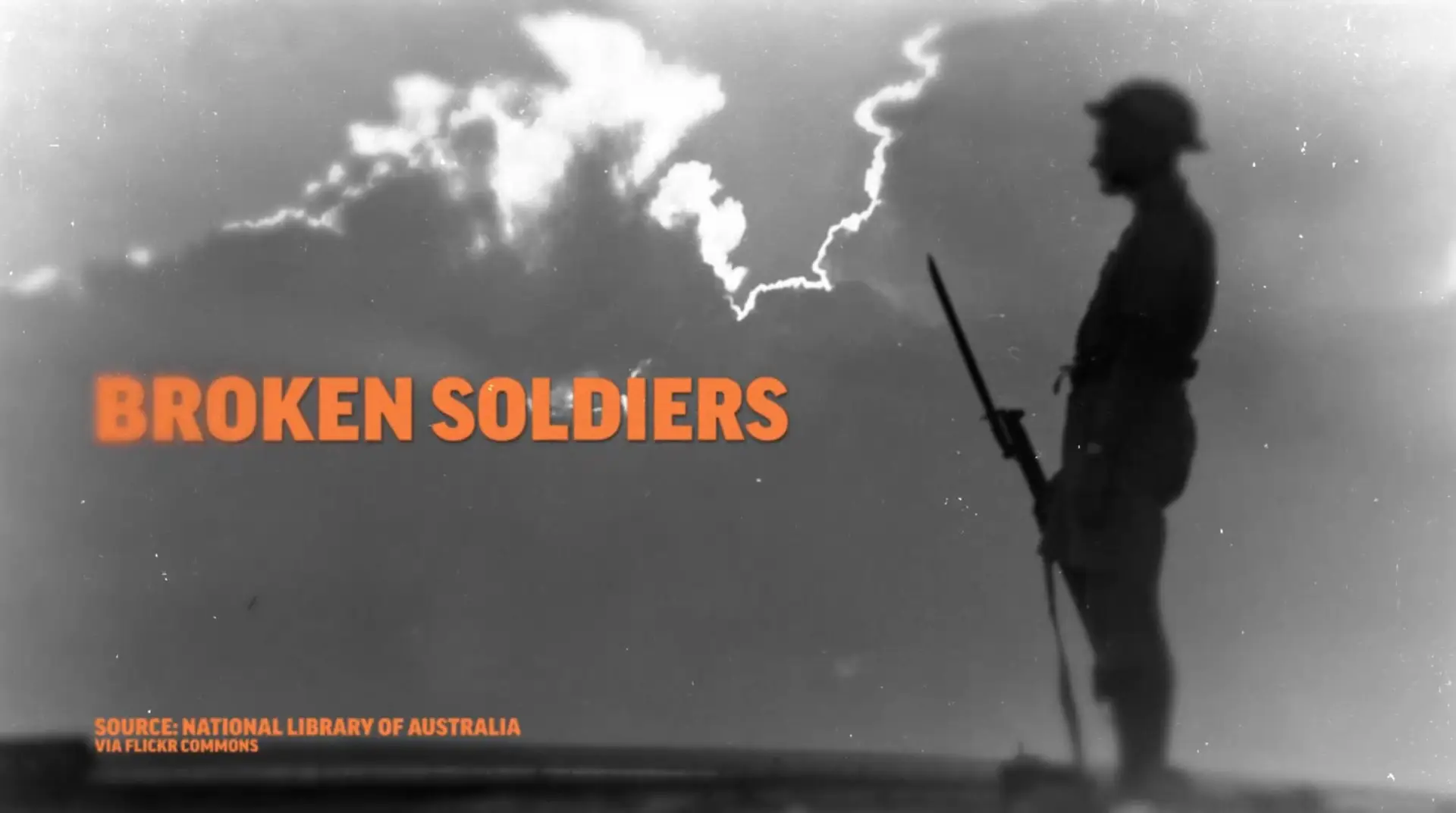
Through our research, we have explored experiences such as post-traumatic stress, moral injury and grief, and the ways they can continue to shape a person’s life long after service has ended.
Importantly, our research looks beyond symptoms alone to understand how exposure to violence, loss and ethical conflict can affect identity, relationships, trust and a person’s sense of place in the world.
This matters because recovery is rarely only clinical. It can also depend on connection, understanding, recognition and the opportunity to make sense of experiences that are difficult to carry.
If this has brought up anything for you, please visit our Learn More page to find support services that best fit your needs and circumstances.