Home / Case Studies / Behind the Numbers Are Real People
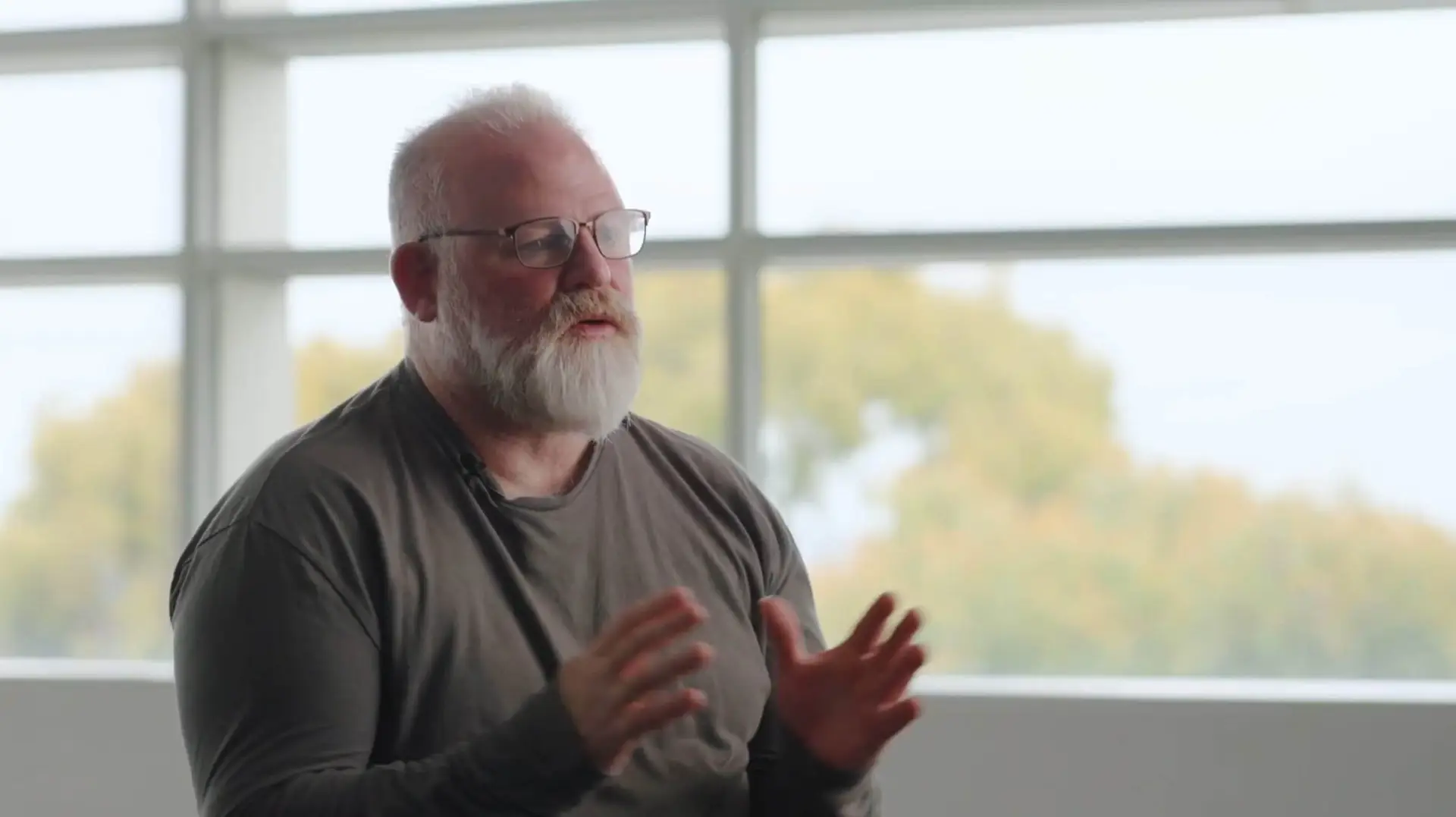
Behind every recorded death is a person, a family, a period of service and a much broader story about identity, belonging, transition and the systems that surround those who serve. Our researchers set out to understand that story over time, drawing on archival research dating back to 1914, alongside interviews and lived experience spanning from 1975 to today. The project looks beyond individual moments of crisis to examine the wider social and historical conditions that have shaped veteran suicidality in Australia.
What has changed across more than a century of military policy, legislation and veteran support? What problems continue to repeat themselves? And what can history tell us about where systems have succeeded, where they have fallen short, and what needs to happen differently now? From this, our research points to something deeper than individual circumstances alone.
For many people leaving military service, transition can mean the sudden loss of structure, community, identity and purpose. The relationships and routines that once provided a strong sense of belonging can change almost overnight.
Understanding those social conditions is critical if we are to better understand suicide risk, and, importantly, how it might be prevented.
As the video reveals, our mission is about more than looking back. By bringing historical research, contemporary evidence and lived experience together, we can build a clearer understanding of why these challenges persist, and contribute to better decisions about prevention, support and reform.
For Open Door, this work forms part of a much broader mission: to help turn evidence into action, strengthen the systems surrounding serving and ex-serving personnel, and contribute to a future where fewer veterans and families experience these losses.
If this has brought up anything for you, please visit our Learn More page to find support services that best fit your needs and circumstances.